

A decade ago, Shashank Agrawal was building software from a small town in Bihar, India, working through a mobile internet connection with a freelance developer he had never met in person. Today, the company he founded, StarApps, serves more than 30,000 Shopify merchants worldwide and generates approximately $7 million in annual revenue, having grown without raising outside capital.
The company’s growth offers a different perspective on how software businesses can scale internationally. Rather than relying on venture funding to expand, StarApps built its business around a specific e-commerce problem, recurring software revenue, and a customer base that extends well beyond India.
Its latest milestone is the acquisition of AppMaker, a native mobile app platform for Shopify merchants. The deal marks StarApps’ first acquisition after nearly a decade of building its own products and customer base.
A product built around a merchant problem
StarApps’ origins date back to a challenge Agrawal encountered while setting up a Shopify store to sell products in the US market. He found that online stores lacked a straightforward way to display the correct product image when shoppers selected different variants, such as colors or styles.
That problem became the basis for the company’s first application, which launched in July 2017. StarApps recorded its first paying customer that October, for $87.85. Agrawal has since identified that first transaction as the company’s real founding milestone.
The product addressed a practical issue in online shopping: customers need to see the product they intend to buy, while merchants need tools that make their stores easier to navigate. From that starting point, StarApps expanded into merchandising and product-discovery software designed for Shopify stores.
The company now serves more than 30,000 merchants, including over 2,500 businesses using Shopify Plus, Shopify’s offering for larger and enterprise-level merchants. Its development has followed a software-as-a-service model, allowing it to serve customers across markets rather than depend on demand within India alone.
Agrawal’s earlier experience with Freshmonk, a print-on-demand e-commerce business he co-founded, also influenced that approach. The business grew but eventually encountered limits in its addressable domestic market, reinforcing the importance of reaching international customers for companies operating in specialized software categories.
Bootstrapping growth and expanding into mobile commerce
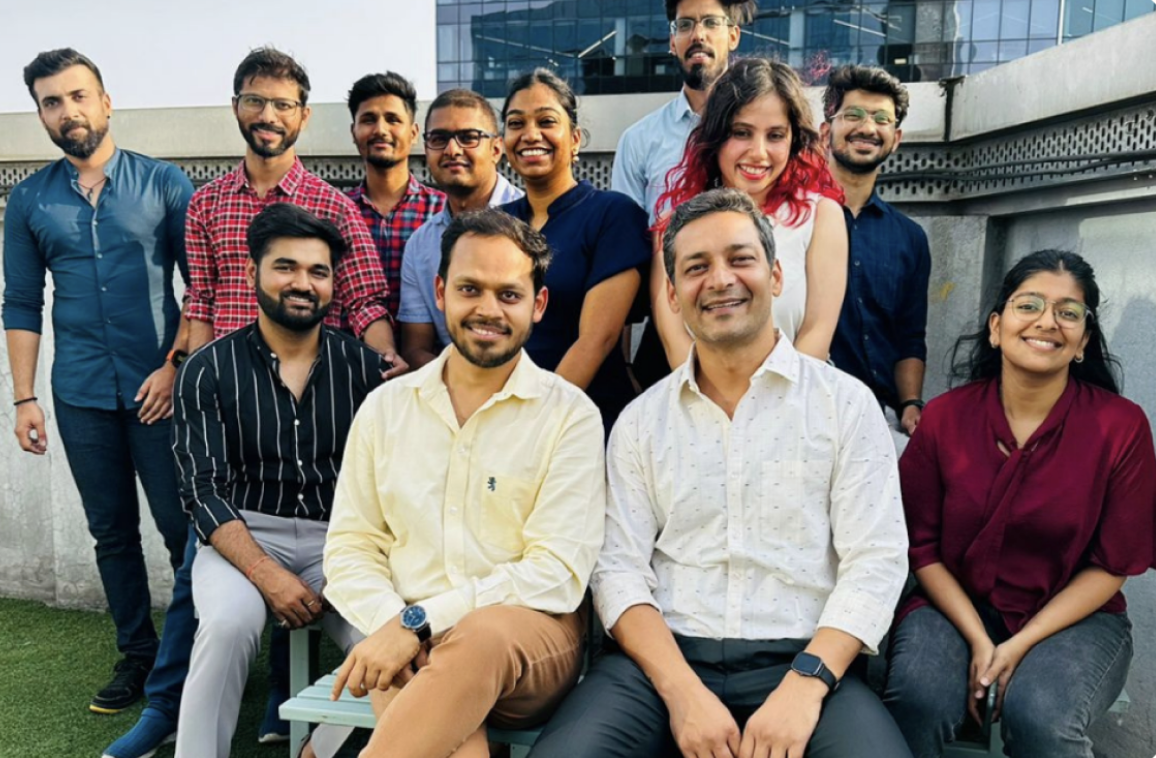
StarApps has funded its growth through revenue rather than external investment. The company has built a team of around 30 people while developing products for a global merchant base, demonstrating how a specialized software provider can expand without following the conventional venture-backed startup path.
That strategy has also shaped its approach to acquisitions. In 2026, StarApps acquired AppMaker in an all-cash deal, according to the company’s announcement. AppMaker provides technology for building native mobile shopping apps for Shopify brands and was generating approximately $1 million in annual revenue at the time of the acquisition, according to Agrawal’s public announcement.
The acquisition adds a complementary product to StarApps’ existing merchandising tools. While its core products help merchants improve product discovery and shopping experiences on their online stores, AppMaker gives brands another way to engage customers through mobile applications.
The deal also reflects a broader challenge for e-commerce businesses: as paid customer acquisition becomes more expensive, merchants are looking for ways to improve conversion and encourage repeat purchases through channels they control. Mobile apps can serve that purpose, particularly for brands with established customer bases and more sophisticated requirements.
AppMaker will continue to operate independently within StarApps, with its founders remaining involved in the business, according to the acquisition announcement. The arrangement allows StarApps to expand its product portfolio while retaining the platform and team it acquired.
For Agrawal, the acquisition represents a new phase for a company that spent its first decade building a customer base and generating revenue without outside capital. StarApps’ next challenge is to use that distribution to grow into adjacent areas of e-commerce software while maintaining the operating model that brought it to this point.