
“First, do no harm.” This is usually how The Hippocratic Oath is formulated and is the cornerstone of modern medicine that guides how we care for patients as well as how we create pharmaceuticals.
But as technology advances, we are also witnessing therapies that can ease pain or do away with it altogether. Which raises the question: if pain is going to be a thing of the past, do we have an obligation to abolish it? In other words, does pain still have a role to play in how we care for patients?
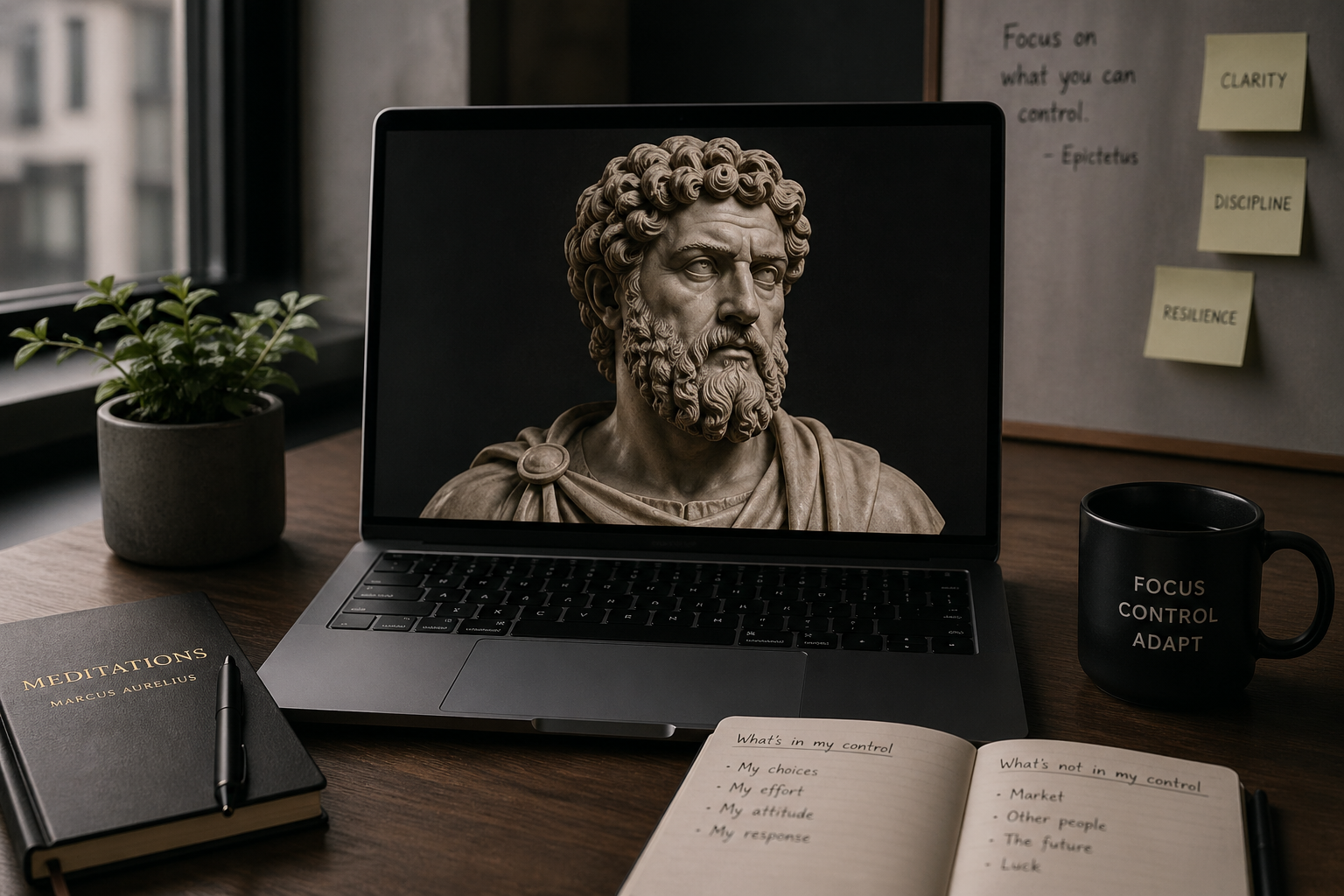
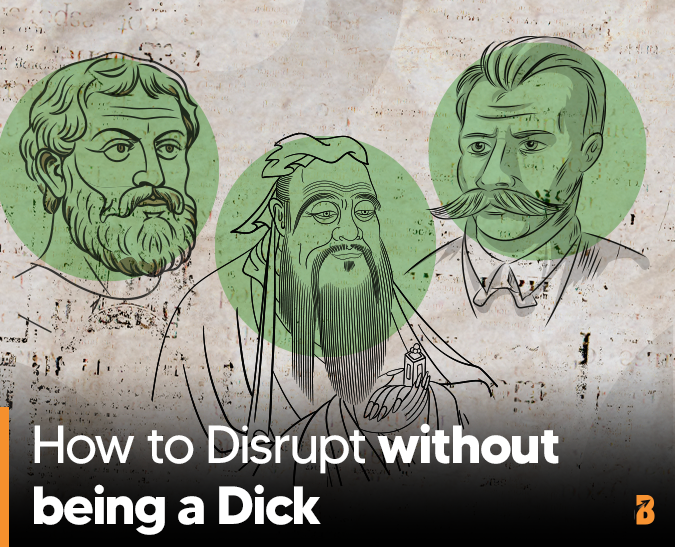
Millenia before modern medicine, the ancient philosophers analyzed the role of pain in human life. In the Nicomachean Ethics, Aristotle argued that our experiences of pain and pleasure are deeply tied to virtue. For Aristotle, to feel the right amount of pain or pleasure was precisely part of what it meant to live a good life. Pain, in this sense, wasn’t just something to be eliminated as it helped shape moral character.
Friedrich Nietzsche took the idea of pain as “character building” even further. For him, suffering was not just unavoidable but essential. His famous line from Twilight of the Idols captures this succinctly: “what doesn’t kill me makes me stronger.”
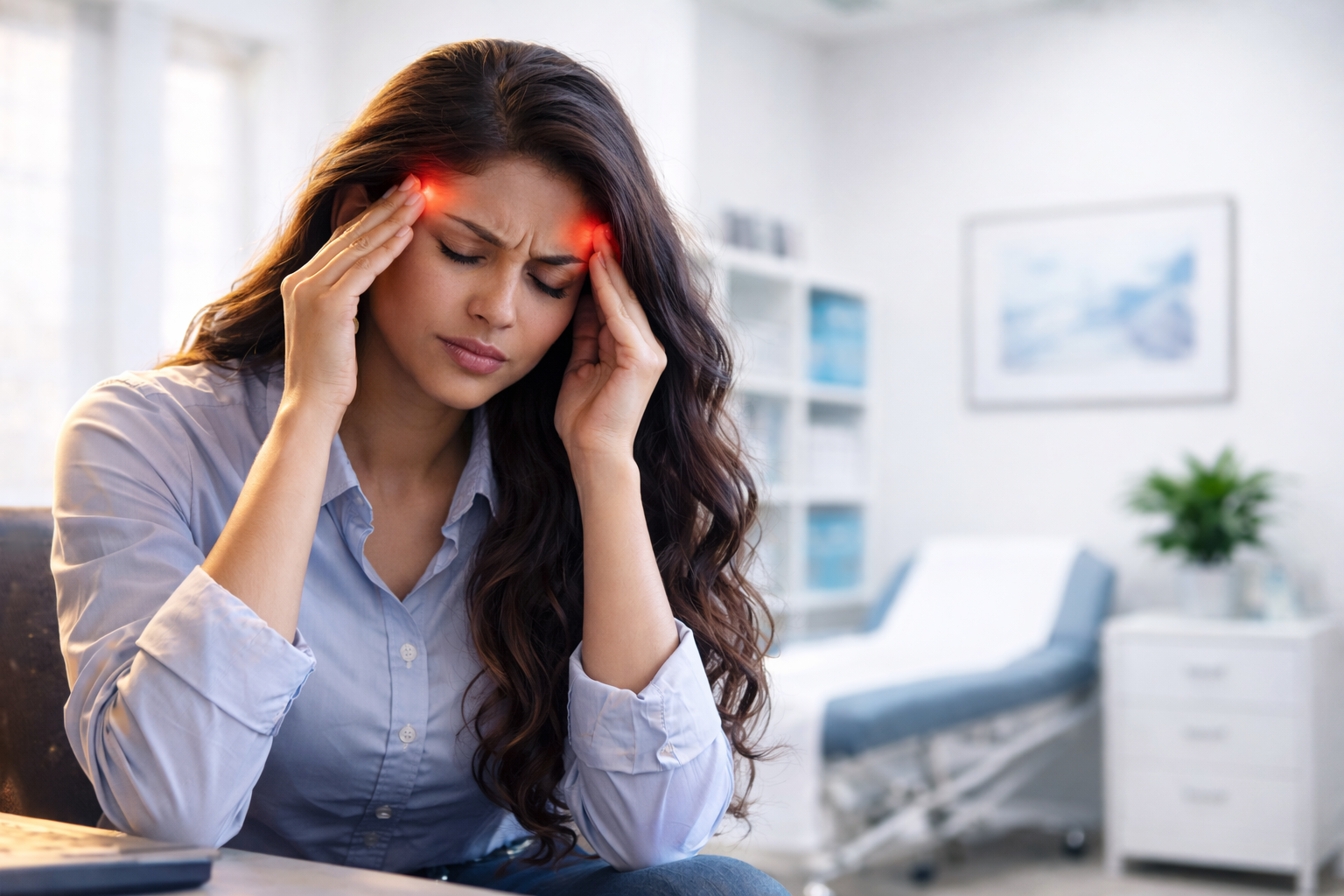
This doesn’t mean that all pain holds value to a good life. There’s a difference between meaningful struggle and unnecessary suffering, especially as increasing numbers of US adults began suffering from chronic pain from 2019 to 2023.
A life lived in pain complicates the ethical picture. Pain isn’t just a biological signal from nerve endings to neurons in the brain. It’s intertwined with identity, development, and the human condition itself.
Finding the Balance Between Relief and Removal
Advances in therapeutics and the introduction of digital strategies are now beginning to change the landscape of how patients perceive pain. While many medical establishments prefer pills over pain, it’s not the only way to approach the problem.
Paperplane Therapeutics, is one such example that introduces digital solutions to the problem of pain. Co-founded by Jean-Simon Fortin, the company uses virtual reality (VR) to help patients manage pain and anxiety by immersing them in engaging experiences.
Originally focused on pediatric dental care, the company has now expanded to teens and adults, targeting acute and subacute pain. The idea is simple and now yielding results by redirecting attention and reshaping how pain is experienced.
“Our therapies are more to engage the patient, where they’re experiencing something that’s enjoyable and can really take their mind off whatever’s happening in the room.” Fortin told StartUp Beat about the interactive therapies. “That has had a demonstrated effect on reducing the pain and anxiety.”
One particularly compelling use case is for children undergoing MRI scans. These procedures often fail because children become frightened and move, requiring general anesthesia. “Paperplane allows for a simulation where we track if they’re able to follow instruction, and in that way we’re able to significantly reduce the need for general anaesthesia for these patients.”
In cases like this, the ethical argument seems straightforward. If pain and anxiety can be reduced safely and effectively, doing so aligns directly with the principle of minimizing harm. Yet even here, there are practical constraints.
“There’s two sides to that coin in terms of making sure that it’s effective for the patient, but it doesn’t disrupt the clinical workflow for the clinic or the healthcare professional,” Fortin said, adding that practicality was as essential a pillar as efficacy when commercializing their therapies.
Towards a Less Permanent Pain
Rather than abolishing pain entirely, modern approaches like those of Paperplane may offer a viable middle ground by focusing on reducing unnecessary suffering—particularly the kind amplified by fear and anxiety.
Fortin emphasizes that, in many cases, the problem is not the procedure itself but the anticipation surrounding it. “Especially for kids or, or even people who are afraid or anxious about medical procedures, most of the time it’s a lot about apprehension. You go through the procedures by managing this apprehension successfully without having a very high anxiety level.”
This reframes the ethical question. Instead of asking whether we should eliminate pain altogether, we might ask: which forms of pain are actually necessary?
Even tools like video games, often viewed skeptically, can play a role here.
“Video games can sometimes have a bad rap. But in this case, in short amounts, it can help patients manage pain better,” Fortin said about the possible gamification of the healthcare experience.
Interestingly, the effects may not need to be permanent, suggesting that moderate forms of pain might be reintroduced gradually as the child grows accustomed to the visits.
“What we hear is that it helps for the first or second visit, but usually after that they’re desensitized from the anxiety of the medical procedure,” Fortin said.
In this sense, the goal is not to create a world without pain, but one where pain no longer overwhelms us unnecessarily. This aligns with both philosophical traditions and medical ethics and preserves the role of pain as a teacher and signal, while reducing its capacity to cause needless suffering.
Pain, as both Aristotle and Nietzsche suggest, plays a role in shaping who we are and the end goal might be to strip away what is excessive, avoidable, and harmful, while preserving what is meaningful. The future of pain may not lie in its disappearance, but in our growing ability to decide when it matters and when it doesn’t.
This article is a part of our series on the confluence of startups and ethics. If you have a take on a particularly spicy moral conundrum in the world of startups, drop us a line at [email protected].