
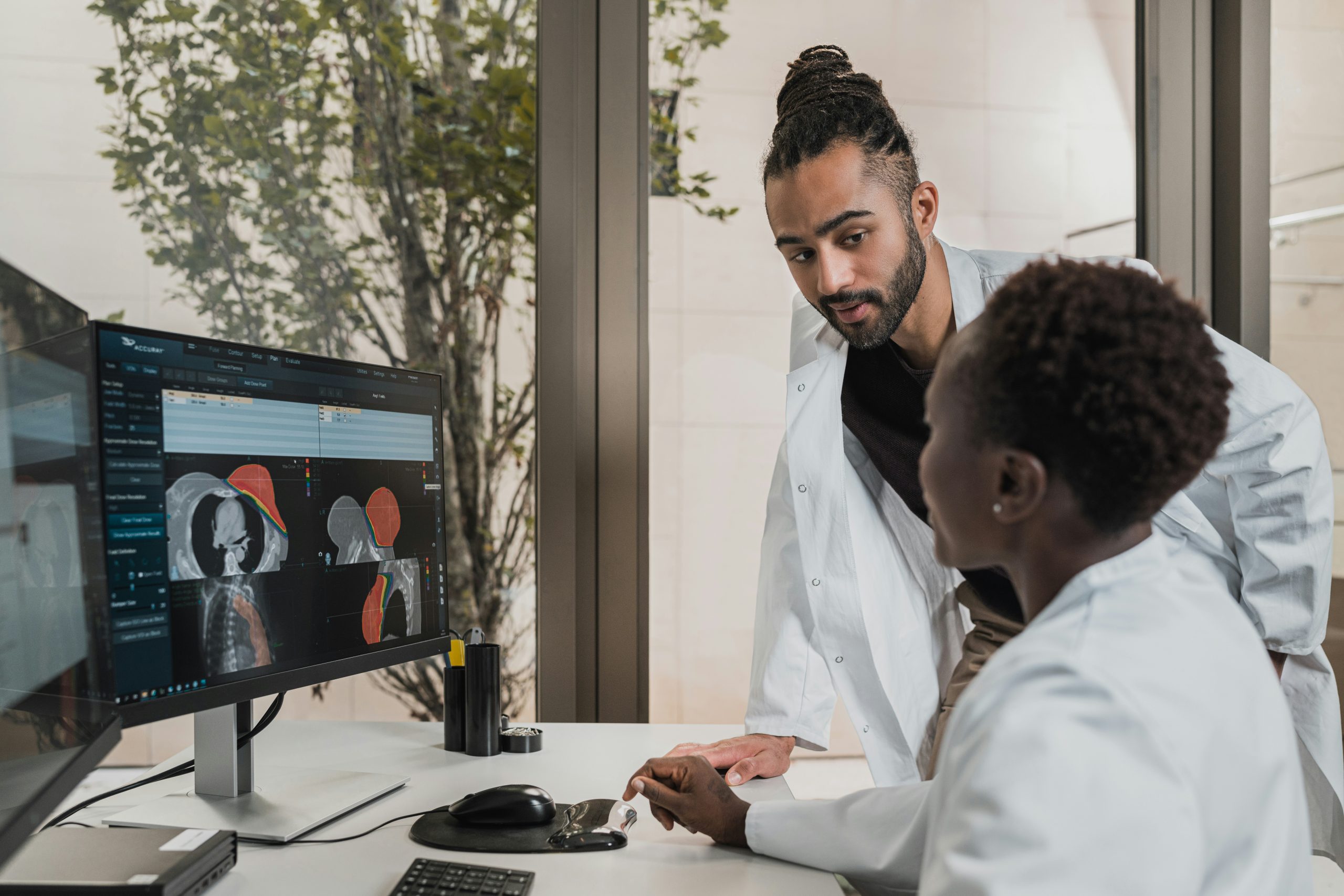
Healthcare tech’s most interesting shifts aren’t happening in exam rooms, but in the back office: the systems that decide who’s allowed to work in those exams rooms in the first place.
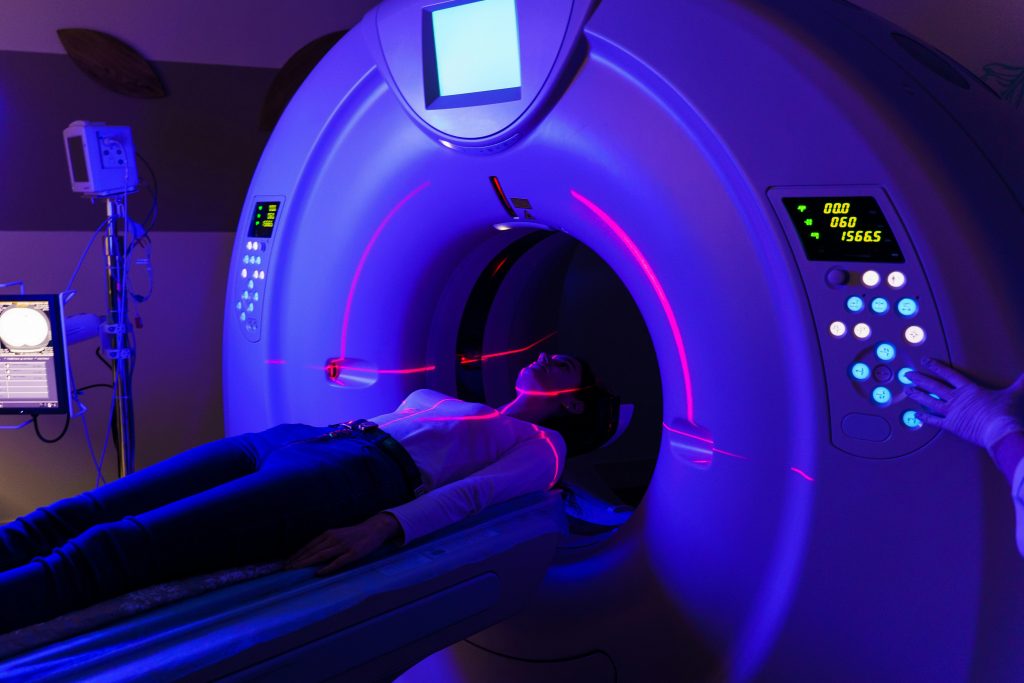
Such is the gist of Kryterion’s newly-announced partnership with the American Registry of Magnetic Resonance Imaging Technologists, a Florida-based credentialing body that’s certified MRI technologists – and only MRI technologists – since 1991.
Starting this month, Kryterion takes over ARMRIT’s certification exam delivery, moving the registry to a hybrid model: candidates can test at a physical center or sit an online proctored exam, with more formats and psychometric services said to be coming later.
The partnership provides a window into how legacy credentialing infrastructure gets rebuilt across licensed professions – and the timing isn’t random, either.
The workforce problem sitting underneath
ARMRIT is the only U.S. registry that treats MRI as its own standalone specialty rather than an add-on credential to general radiologic technology. It has more than 4,400 members with certified technologists working in 46 states plus Puerto Rico, Guam, Canada, the UK and countries across Asia and the Middle East.
The push to modernize testing lines up with a workforce that’s genuinely stretched thin. The U.S. Bureau of Labor Statistics projects employment of radiologic and MRI technologists will grow 5% from 2024 to 2034 – faster than average – with roughly 15,400 openings expected every year as the population ages and imaging demand climbs.
MRI technologists alone also accounted for about 44,100 jobs nationally in 2024, with a median wage of $88,180 USD, as per the Bureau.
Demand is only half the problem, though. Training capacity hasn’t kept up. Many MRI programs run through community colleges with limited seats, and many pathways require candidates to get general radiologic certification first, tacking years onto the process before someone can even specialize.
ARMRIT’s model skips that prerequisite, letting candidates train directly for MRI. A faster, more flexible testing process is really just removing the next bottleneck in that same pipeline: the gap between finishing training and actually getting certified.
The bigger trend: credentialing bodies rebuilding entire stacks
Zoom out, and Kryterion’s win with ARMRIT fits into something much larger already reshaping how licensing bodies operate. The global market for online exam proctoring – education, corporate training, professional licensure, all of it – was estimated at $1.07 billion USD in 2026, with strong growth projected well into the next decade.
Narrowed to the U.S. alone, research firm Insight Partners put it at $281.09 million in 2024, growing to $803.92 million USD by 2031.
But the growth numbers aren’t even the most telling part. What’s notable is why organizations are investing in this, now: rather than catching cheaters, it’s about making sure results hold up when they’re challenged or audited later – the kind of pressure that comes with a license tied to someone’s livelihood.
Kryterion, founded in 2001 and now part of the Drake International group, has built its whole business around that high-stakes end of the market.
What’s actually next
For now, the deal covers exam delivery. Kryterion has said this rollout is just the first phase, with psychometric services – the statistical work behind designing and validating exam questions – expected to follow, along with other program enhancements it hasn’t detailed yet.
“As demand for qualified MRI Specialists continues to grow, we recognized the need for a more flexible and candidate-friendly testing experience,” said ARMRIT president and executive director James F. Coffin.
“Partnering with Kryterion allows us to expand access and scale globally while preserving the security, integrity, and credibility that have defined our certifications for 35 years.”
Meanwhile, Dennis Diligent, Kryterion’s vice president of sales, framed it as a fit with the company’s broader healthcare focus: “Kryterion is proud to support healthcare organizations that uphold the highest standards in professional credentialing.”
Featured image: Accuray via Unsplash+
Disclosure: This article includes a client of an Espacio portfolio company.